Platform comparison
| Platform | YES odds | NO odds | Fee | KYC | Settlement | |
|---|---|---|---|---|---|---|
Polymarket (via Polymarket Alternative) Pick polygram.ink (preferred broker) |
100% | 0% | 0% (USDC on-chain) | No-KYC up to $1,500 | USDC, auto via UMA oracle | Open the market → |
Polymarket (direct) polymarket.com |
100% | 0% | 0% | Geo-blocked in US/UK/EU | USDC, on-chain | Open the market → |
Kalshi kalshi.com |
— | — | Up to 7% per trade | US-only, KYC required | USD | Open the market → |
Betfair Exchange betfair.com |
— | — | 2-5% commission | Full KYC from first trade | GBP / EUR | Open the market → |
Manifold Markets manifold.markets |
— | — | Play-money (mana) | None — play-money | Mana (no cash-out) | Open the market → |
Outcome probabilities
Current market-implied probability for each outcome, from the live order book.
| Outcome | Probability |
|---|---|
| 88-89°F | 100% |
| 77°F or below | 0% |
| 78-79°F | 0% |
| 80-81°F | 0% |
| 82-83°F | 0% |
| 84-85°F | 0% |
| 86-87°F | 0% |
| 90-91°F | 0% |
| 92-93°F | 0% |
| 94-95°F | 0% |
| 96°F or higher | 0% |
Market context
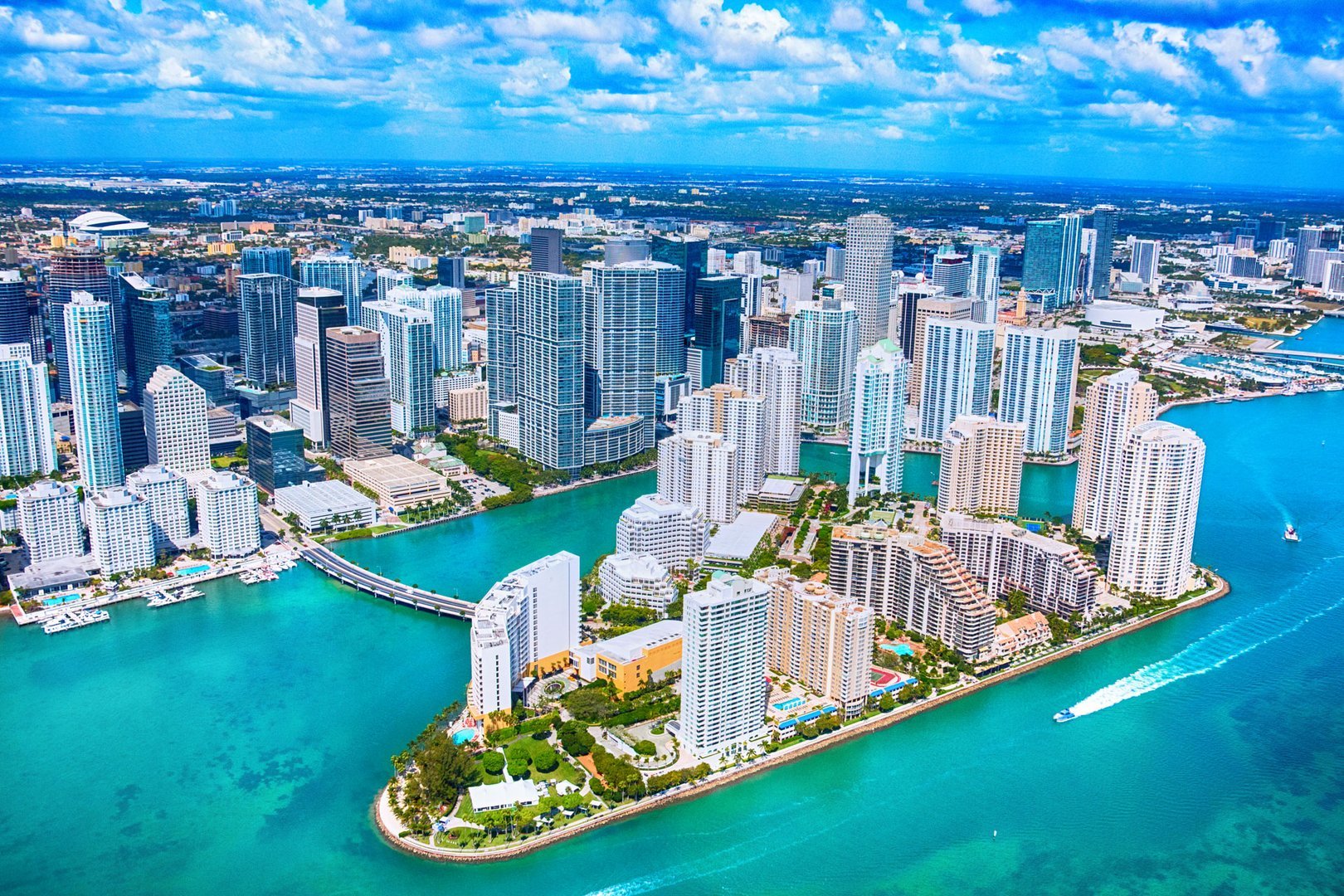
Miami’s highest temperature on 6 August is the relevant event, and the key point for settlement is the **Daily Observations** table for Miami Intl Airport Station rather than the Day High & Low summary. The current crowd price of **0% YES** is hard to square with Miami’s usual August heat: AccuWeather’s Miami monthly page shows recent early-August highs around **89°F**, with a historical August average near **90°F**[1], while Polymarket’s own market ladder is concentrated in the **86–89°F** band, led by **88–89°F at 45%** and **86–87°F at 30%**[2]. That makes a zero price look far below the surrounding temperature distribution implied by both the platform and the city’s seasonal profile.
For comparison, this kind of market is usually read off a tight cluster around the long-run Miami airport climate rather than a wide swing state. NOAA-style daily climate products and past-weather references show Miami’s summer highs often sit in the low 90s, with the airport occasionally reaching the mid-to-high 90s in peak heat events[3][4], so traders typically focus on whether convection, sea-breeze timing, or cloud cover trims the day’s maximum by a degree or two. On venue comparison, Polymarket quotes the event in direct implied probabilities, while Kalshi and Betfair-style books are generally read through their own price conventions and fee structures; the practical difference is that a small move in temperature can matter more on a points-style market than on a simple win/lose contract, especially after fees and spreads.
The main catalysts are the short-range forecast, any change in rain timing, and whether afternoon cloud cover or thunderstorms arrive early enough to suppress the day’s peak. Official forecast products for Miami are the most relevant dependency, because the market resolves to the station’s actual recorded maximum rather than an estimate[3][14]. In platform terms, access and frictions also differ: Polymarket-style trading is typically USDC-based, whereas Kalshi and Betfair depend on their own account rules, jurisdiction limits, and identity checks, so the same weather view can trade at different all-in prices even when the temperature call is identical.
Methodology
We read Highest temperature in Miami on August 6? from four platform perspectives: Polymarket (on-chain CLOB), Kalshi (CFTC-regulated exchange), Betfair Exchange (sports book exchange), Smarkets (peer-to-peer betting exchange). Polymarket's live mid is the canonical probability; the side-by-side columns benchmark fees, KYC, settlement currency and deposit rails so you can choose the venue that fits your jurisdiction and trade size.
Resolution & payout
Polymarket settles via UMA Optimistic Oracle on Polygon. A proposer posts the outcome with a bond, the two-hour window runs, then the smart contract pays USDC.
Kalshi settles USD through the CFTC-regulated clearinghouse — the cleanest variant, with heavier KYC. Betfair Exchange settles in account currency (GBP/EUR), net of 2-5% commission. Smarkets follows the same model as Betfair with a lower default 2% commission.
FAQ
- Polymarket vs Kalshi — which is better?
- Depends on your location. Kalshi is CFTC-regulated, US-only with full KYC. Polymarket is global, on-chain, no KYC up to $1,500. Polymarket has ~10x higher liquidity but higher regulatory risk.
- What does Polymarket cost vs Kalshi?
- Polymarket: 0% fees, only Polygon network costs (~$0.01/trade). Kalshi: up to 7% per trade plus spread. For high-frequency traders, Polymarket is dramatically cheaper.
- Is Betfair a Polymarket alternative?
- Only partially. Betfair Exchange is UK-focused with a sports-betting emphasis; they have politics markets but with thinner liquidity than Polymarket. Settlement in GBP/EUR, 2-5% commission on winnings.
- What about Smarkets as an alternative?
- Smarkets is a UK betting exchange with a lower default commission (2%) than Betfair. Liquidity on political markets is below Polymarket, comparable to Kalshi. Geo-blocked in many jurisdictions.
- Are all these platforms regulated?
- No. Kalshi is CFTC-regulated (US). Betfair and Smarkets are UK Gambling Commission licensed. Polymarket operates without explicit regulation — a different risk profile than a regulated sportsbook.
%22%2F%3E%3Cpath%20d%3D%22M%206%2066%20A%2026%2026%200%200%201%2058%2066%22%20fill%3D%22%23E6B98D%22%20opacity%3D%220.9%22%2F%3E%3Ccircle%20cx%3D%2232%22%20cy%3D%2226%22%20r%3D%2222%22%20fill%3D%22%23F5CBA7%22%2F%3E%3Crect%20x%3D%2210%22%20y%3D%224%22%20width%3D%2244%22%20height%3D%2214%22%20rx%3D%227%22%20fill%3D%22%2314b8a6%22%20opacity%3D%220.9%22%2F%3E%3Crect%20x%3D%228%22%20%20y%3D%2218%22%20width%3D%228%22%20%20height%3D%2218%22%20rx%3D%224%22%20fill%3D%22%2314b8a6%22%20opacity%3D%220.7%22%2F%3E%3Crect%20x%3D%2248%22%20y%3D%2218%22%20width%3D%228%22%20%20height%3D%2218%22%20rx%3D%224%22%20fill%3D%22%2314b8a6%22%20opacity%3D%220.7%22%2F%3E%3C%2Fsvg%3E) and
and%22%2F%3E%3Cpath%20d%3D%22M%206%2066%20A%2026%2026%200%200%201%2058%2066%22%20fill%3D%22%23E6B98D%22%20opacity%3D%220.9%22%2F%3E%3Ccircle%20cx%3D%2232%22%20cy%3D%2226%22%20r%3D%2222%22%20fill%3D%22%23F5CBA7%22%2F%3E%3Cpath%20d%3D%22M%2010%2026%20A%2022%2028%200%200%201%2054%2026%22%20fill%3D%22%2314b8a6%22%20opacity%3D%220.9%22%2F%3E%3C%2Fsvg%3E)
Trade Highest temperature in Miami on August 6? on Polymarket Alternative
Live order book, 0% fees, USDC settlement in seconds.
Open live market →